Review Rutsu Original Low-Top and High-Top
Rutsu brings classic canvas sneaker style into the barefoot world, with a wider toe box, zero-drop sole, rugged materials, and a price that makes minimalist footwear feel approachable.
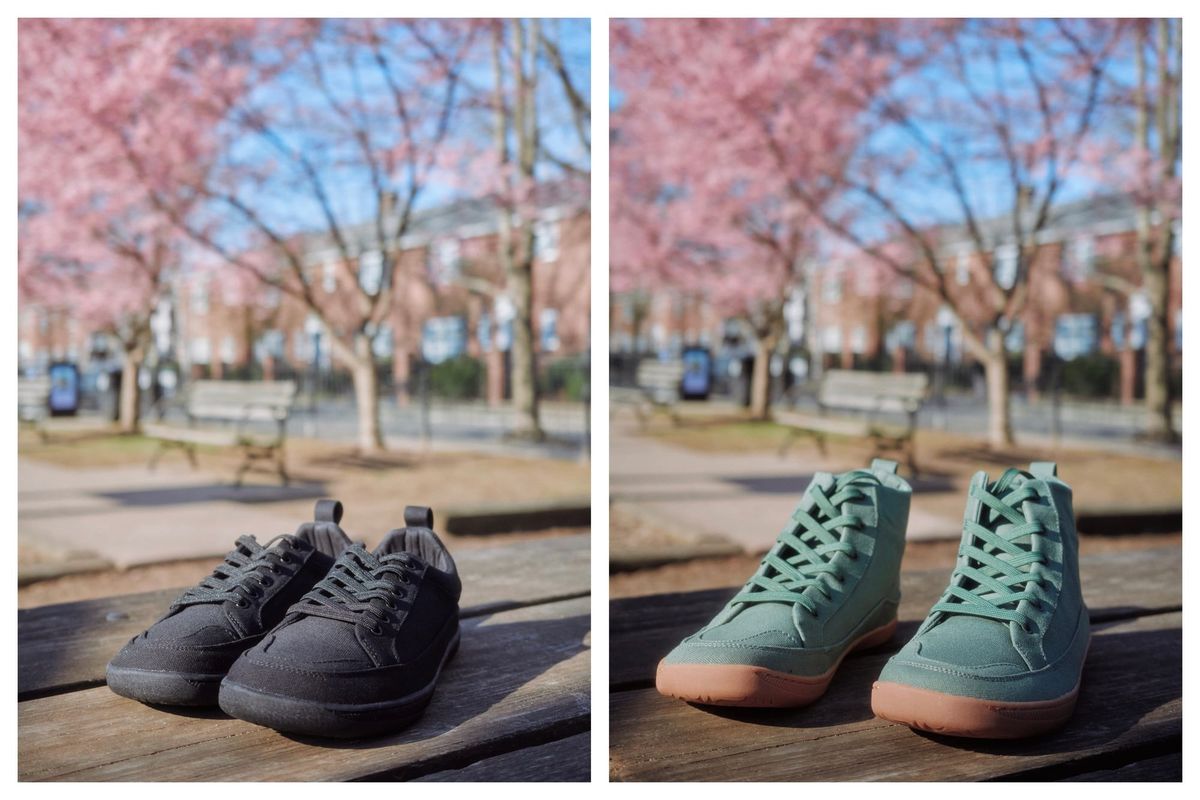
Today I'll be reviewing two shoes from Rutsu, the Rutsu Original Low-Top and the Rutsu High-Top.
If you're unfamiliar with the brand, Rutsu (at rutsubarefoot.com) has a shoe line that brings a “Chucks-adjacent” aesthetic to the barefoot space, blending classic sneaker styling with minimalist function. Its versatile silhouette feels just as natural on campus as it does on the trail, offering everyday wearability at a very competitive price point. Paired with high-quality materials, Rutsu is a new brand worth watching.
What are the Rutsu Low- and High-Tops?
Here's how Rutsu describes the shoes:
Low-Top: Step into effortless style and natural comfort with our Low-Top Barefoot Sneakers. Designed for total freedom, they support healthy movement and posture with a clean, minimalist look.
High-Top: Experience the perfect blend of style and natural comfort with our High-Top Barefoot Sneakers. Feature a minimalist design that supports healthy foot movement and posture.
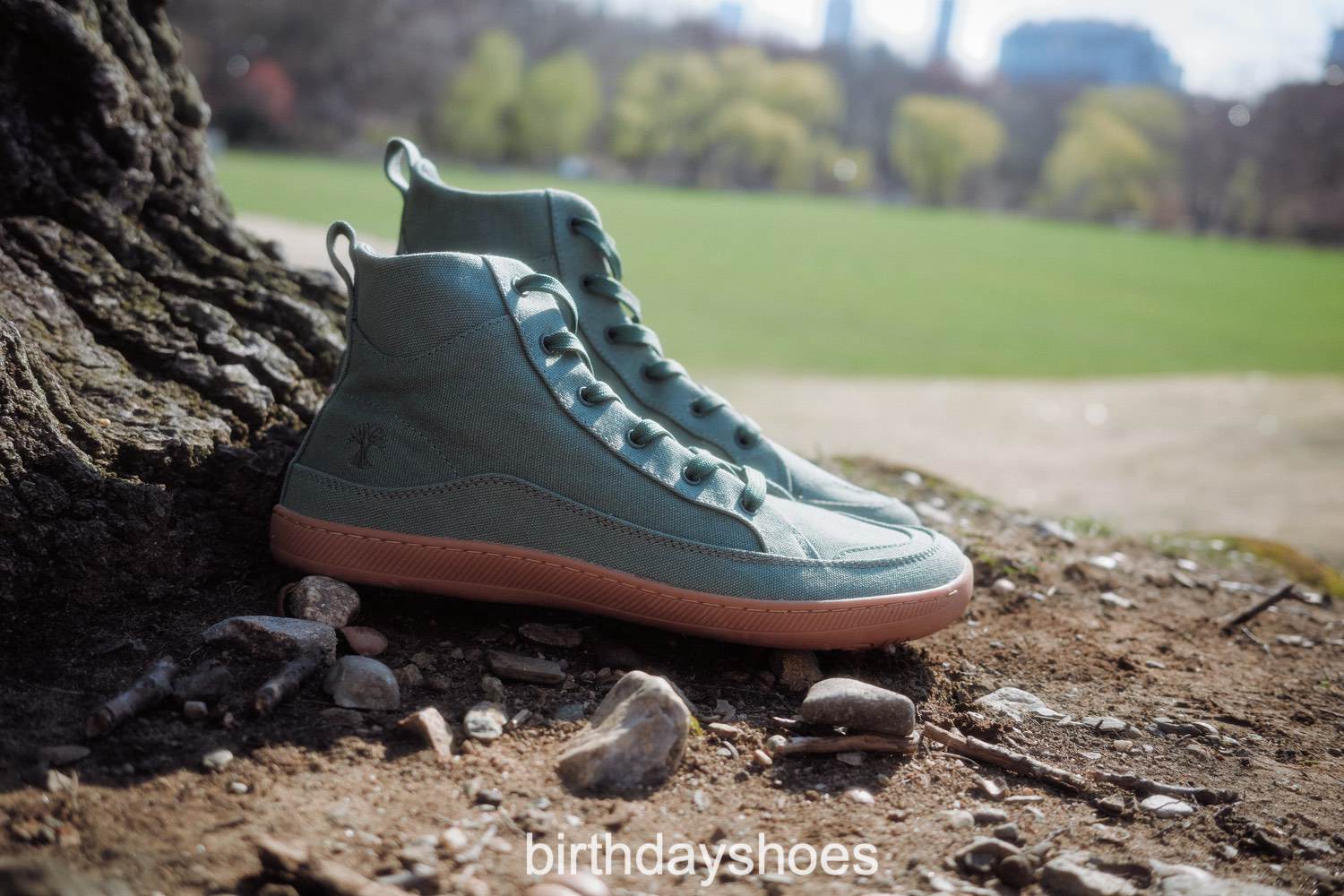
The Rutsu Low-Top weighs 9.5 oz (Mens Size 10/43), and the Rutsu High-Top weighs 9.8 oz. (Yes, I was shocked how close the weights were as well!) The uppers are made of durable canvas, though leather options are available, and the shoes have a 5mm stack height with a galvanized rubber outsole.
Fit and Sizing
If you’re transitioning from a traditional sneaker like a Vans or a Converse, the first thing you’ll notice about the Rutsu is the splay volume. The Rutsu toe box is more generous than your standard Chuck, yet it manages to avoid that "clown shoe" aesthetic that plagues so many barefoot brands. The Rutsu strikes a nice balance: wider than your average canvas kick but not so wide as to draw curious stares.
While Rutsu provides a sizing guide on their website based on foot measurements, they don’t offer the 1:1 printable templates that some other minimalist companies use to help you "step" into the fit. That said, the length feels true to size. For those with especially wide feet, the width is accommodating and shouldn't pinch the sides; however, I did notice the interior vertical volume is a bit on the lower side. It’s still comfortable, but it sits closer to the top of the foot than a higher-volume shoe might.
In terms of overall fit, they run mostly true to size, though they aren't the widest or "splayiest" options on the market. There is a brief break-in period for the canvas as it softens to your foot’s shape. The High-Tops offer a more locked-in, secure feel around the ankle, but they do require you to really loosen the laces to get them on and off. If you have a high instep, you’ll likely find the Low-Tops a more accommodating "out of the box" experience.
Overall, Rutsu provides some minimalist benefits, while staying true to this style of shoe.
Uppers and Materials
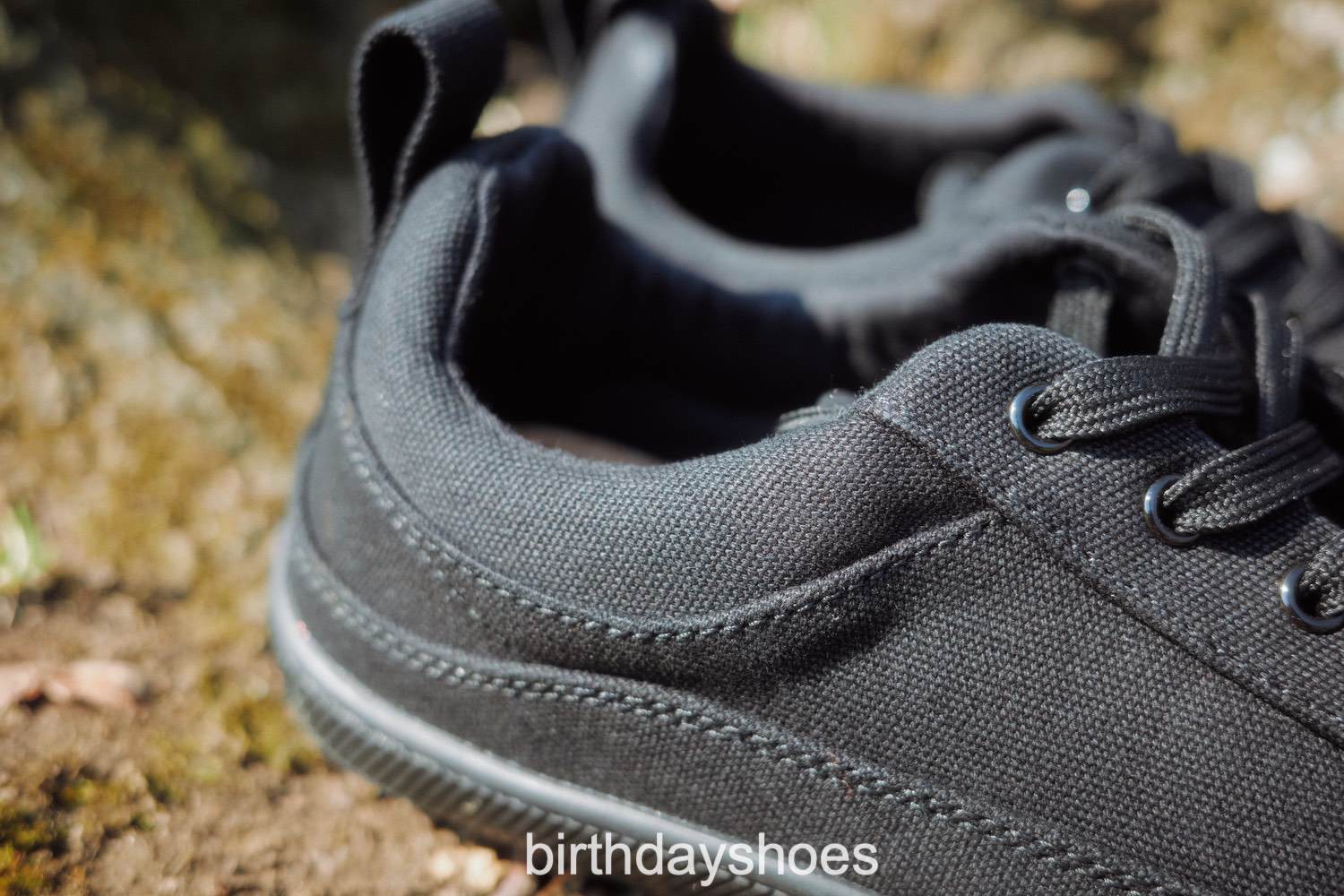
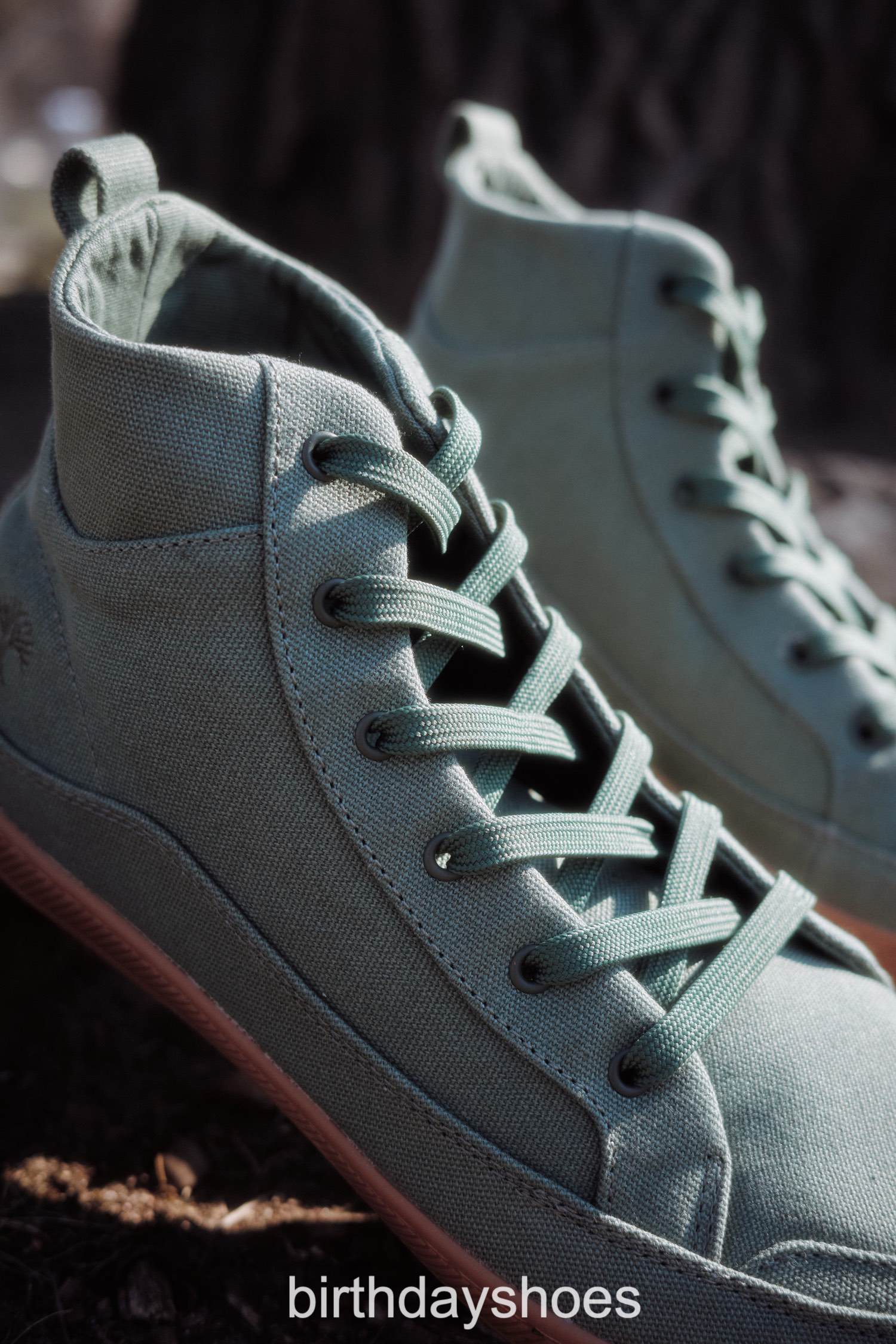
The material choice is where Rutsu leans into a workman heritage feel. While many modern barefoot shoes opt for sleek, engineered polyesters or stretchy knits, Rutsu uses a heavy-duty cotton canvas that feels substantial in hand.
In fact, this is probably the heaviest duty canvas I have experienced in a minimalist shoe. The thickness of the canvas was so striking that I had to go to my shoe closet and compare to all my other canvas uppers. Indeed, the canvas is nice and thick on the Rutsu Low-Top and High-Top. Even my Lems boots that I wore all winter long had thinner, more flexible canvas uppers. In addition, the canvas overlaps in multiple places for a more structured look and extra durability.
It lacks the smooth finish of a synthetic blend, but what you lose in smoothness you gain rugged texture reminiscent of a vintage work jacket. There is a definite "Carhartt" feeling here. This thickness translates to more structure; the shoe holds its shape even when it’s not on your foot, whereas thinner barefoot shoes often collapse.
The overall texture on the uppers is a bit scratchier, but the interior of the shoes are smoother. However, the thicker canvas does require a bit of a break in period to be fully comfortable. That being said, the texture on the canvas is very appealing and despite being such a thick canvas material.
The High-Top
The High-Top provides a good deal of hug around the ankle. Because the canvas is so sturdy, it offers a bit of physical protection against scuffs and trail debris if you wander off the sidewalk. I actually was not a fan of this at first, but after wearing for a week, it softened up and I find wearing the shoe is quite comfortable.
The Low-Top
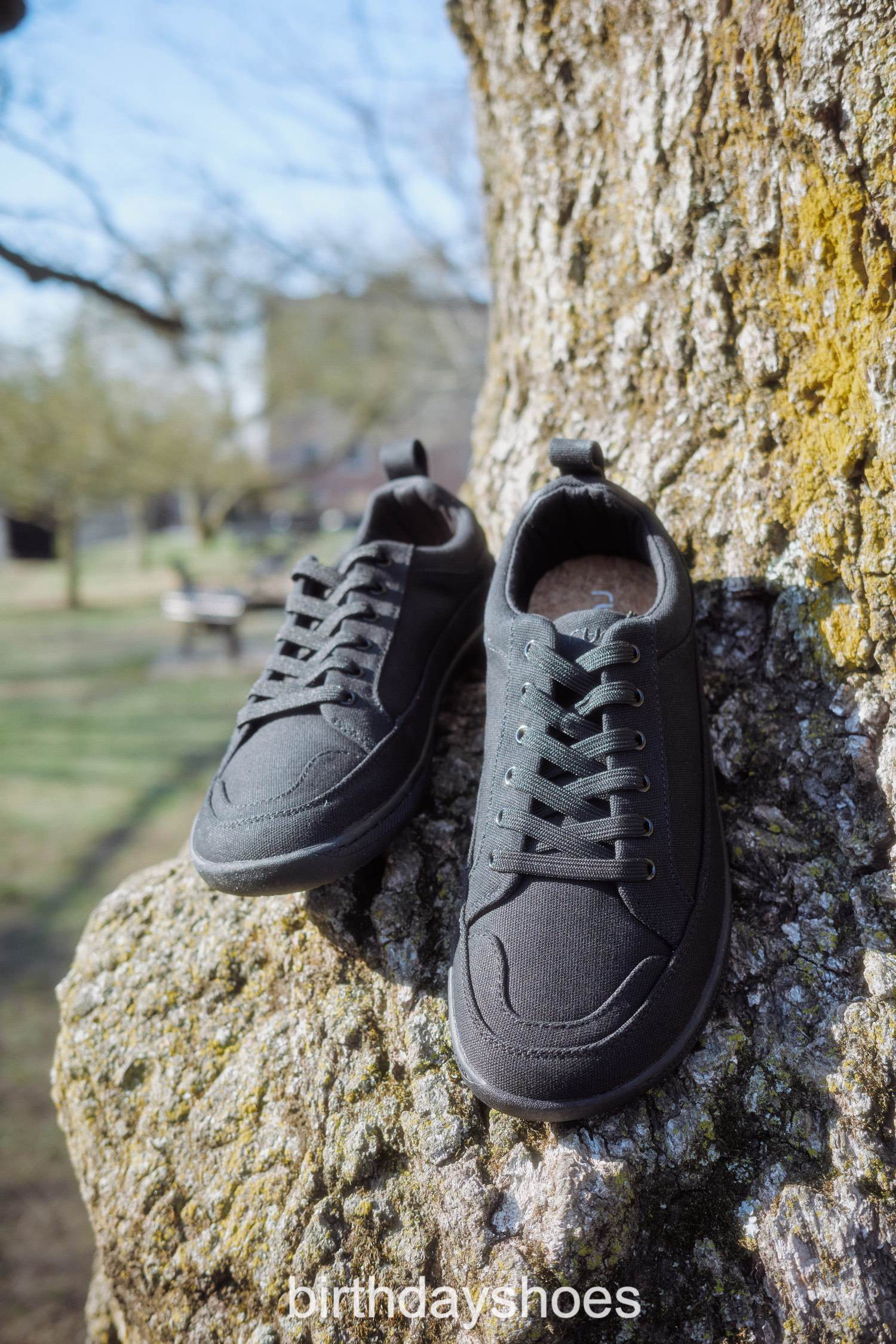
The Low-Top is casual, but classic. It is the lighter and more agile of the two and I feel I can wear this to the office or on light trails. The black canvas color is very inconspicuous and matches most outfits. Features a more padded collar.
A Note on the Break-in
After three or four long walks, the canvas begins to soften at the flex points of my foot, transforming from a stiff shell into something more relaxed. As the canvas is thick and durable, I dub it as reliable comfort over time. This model features a thinner collar for added flexibility and to accommodate more outfits (and legs).
On the Rutsu Cork Insole
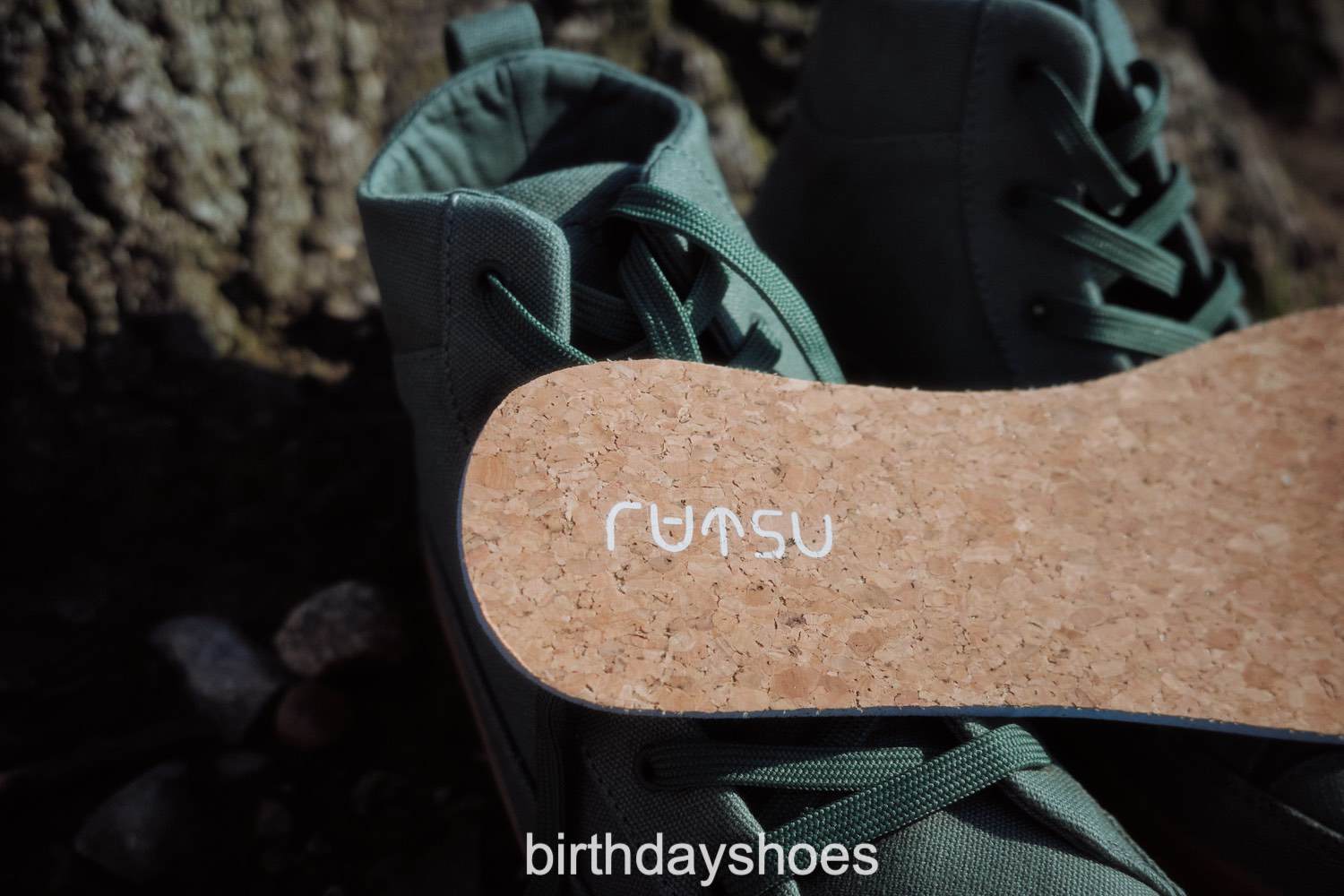
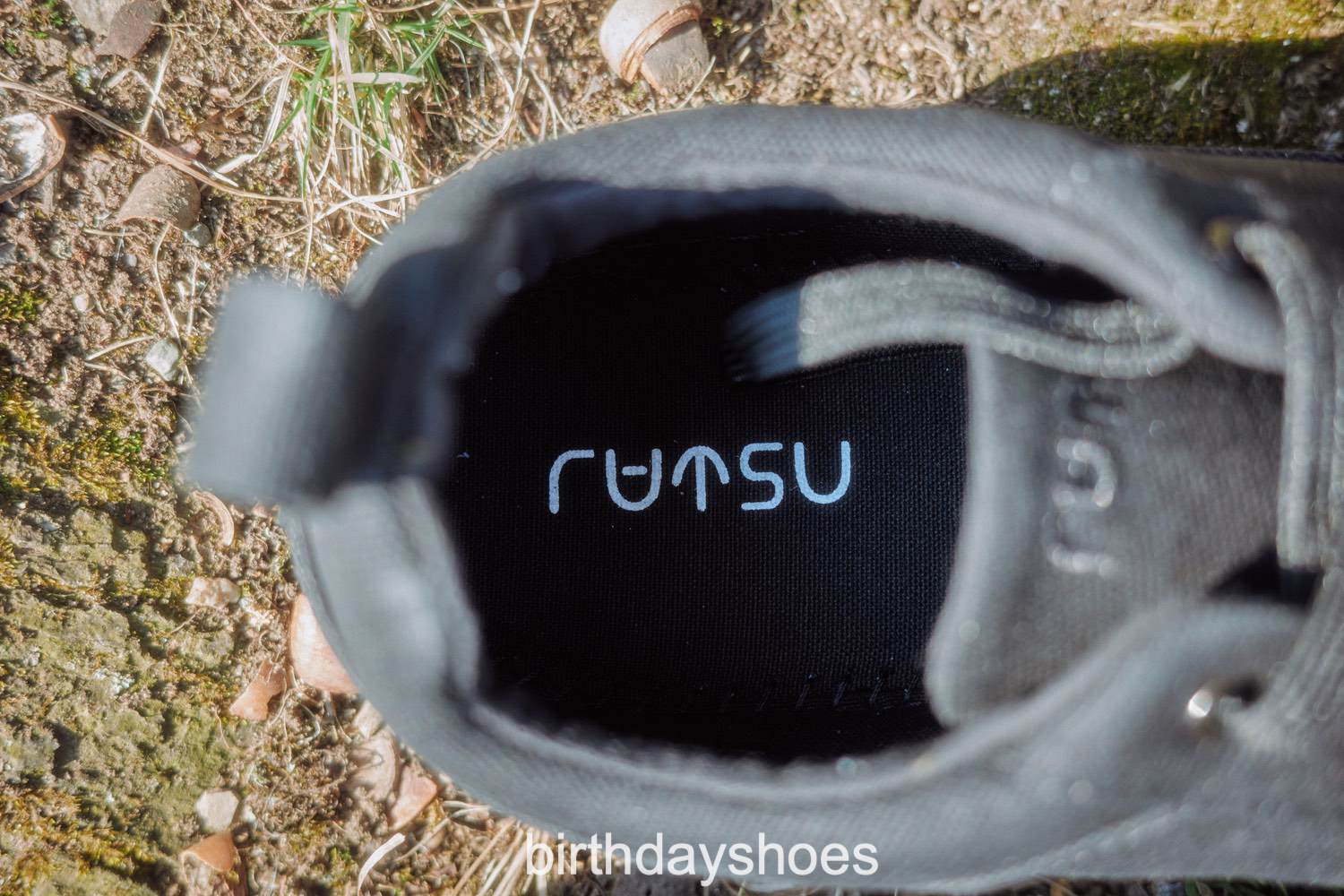
Both shoes feature a removable cork insole. Cork has anti-bacterial properties and is helpful in preventing shoe funk. It is also a more sustainable material, though some foam still exists in the construction of the insole. I am very happy to report that both shoes are made to be worn without the insole. Some shoes have a removable insole, but the interior of the shoe is not actually made to be worn without an insole, which is usually a mess of exposed stitching and textures meant to keep the the insole in place.
Both Retsu shoes can be worn without the insole, which means you have the option to customize your fit a bit; removing the insole for more internal volume or keeping the insole for a softer walk.
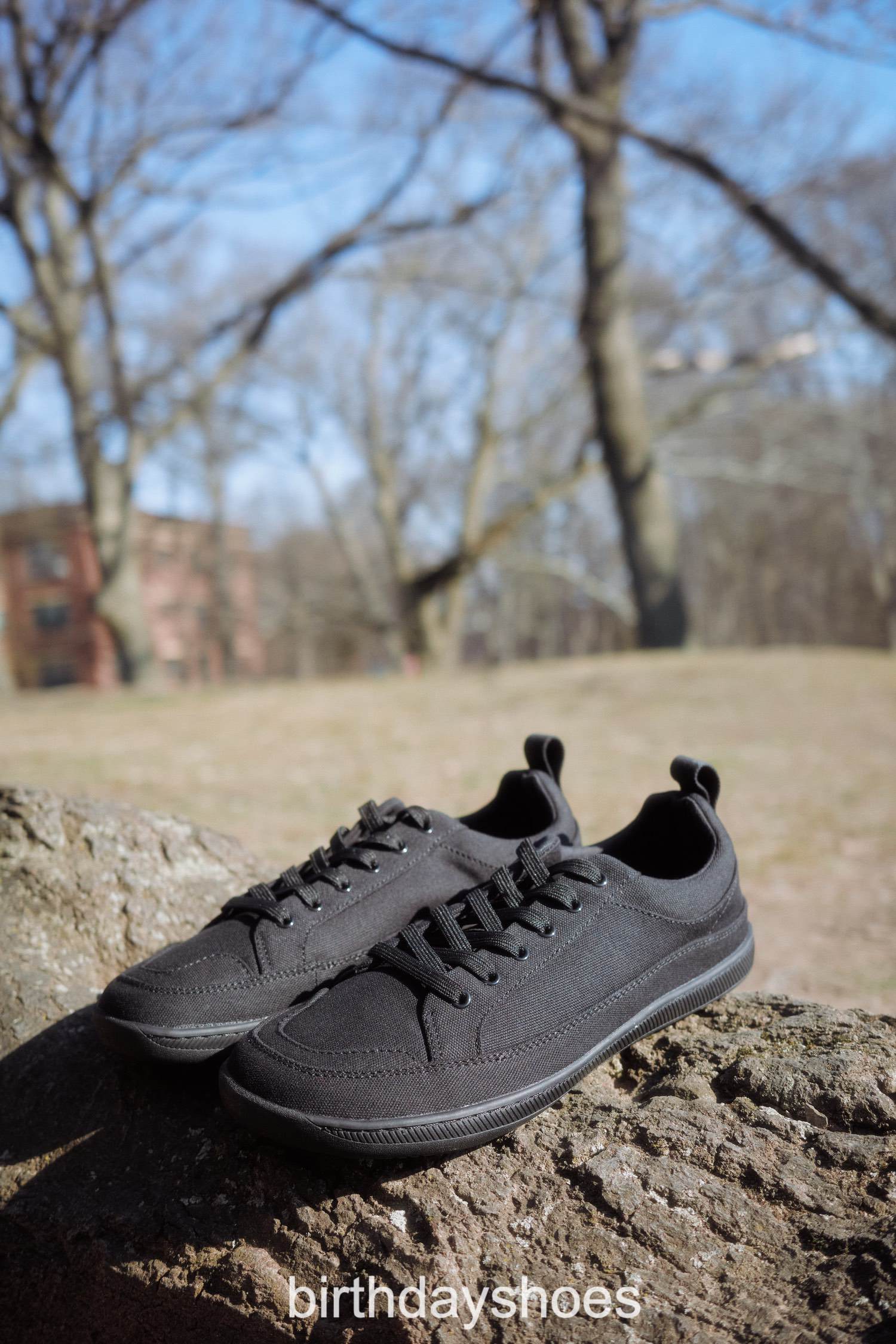
Aesthetics: The Stealth Barefoot Shoe
This is where Rutsu really stands out. Most barefoot shoes have a distinct look, either like aqua socks or with toe boxes so wide they resemble paddles. It’s that tricky balance between anatomical function and visual proportion.
Designing a shoe that honors the foot’s natural shape while maintaining a familiar silhouette is difficult. For example, when a shoe uses a single, uninterrupted texture, it can appear wide and flat. Rutsu avoids this by incorporating lines, structure, and varied textures (like moccasin-style stitching or a classic toe cap). This approach breaks up the form and creates a more refined, visually balanced look.
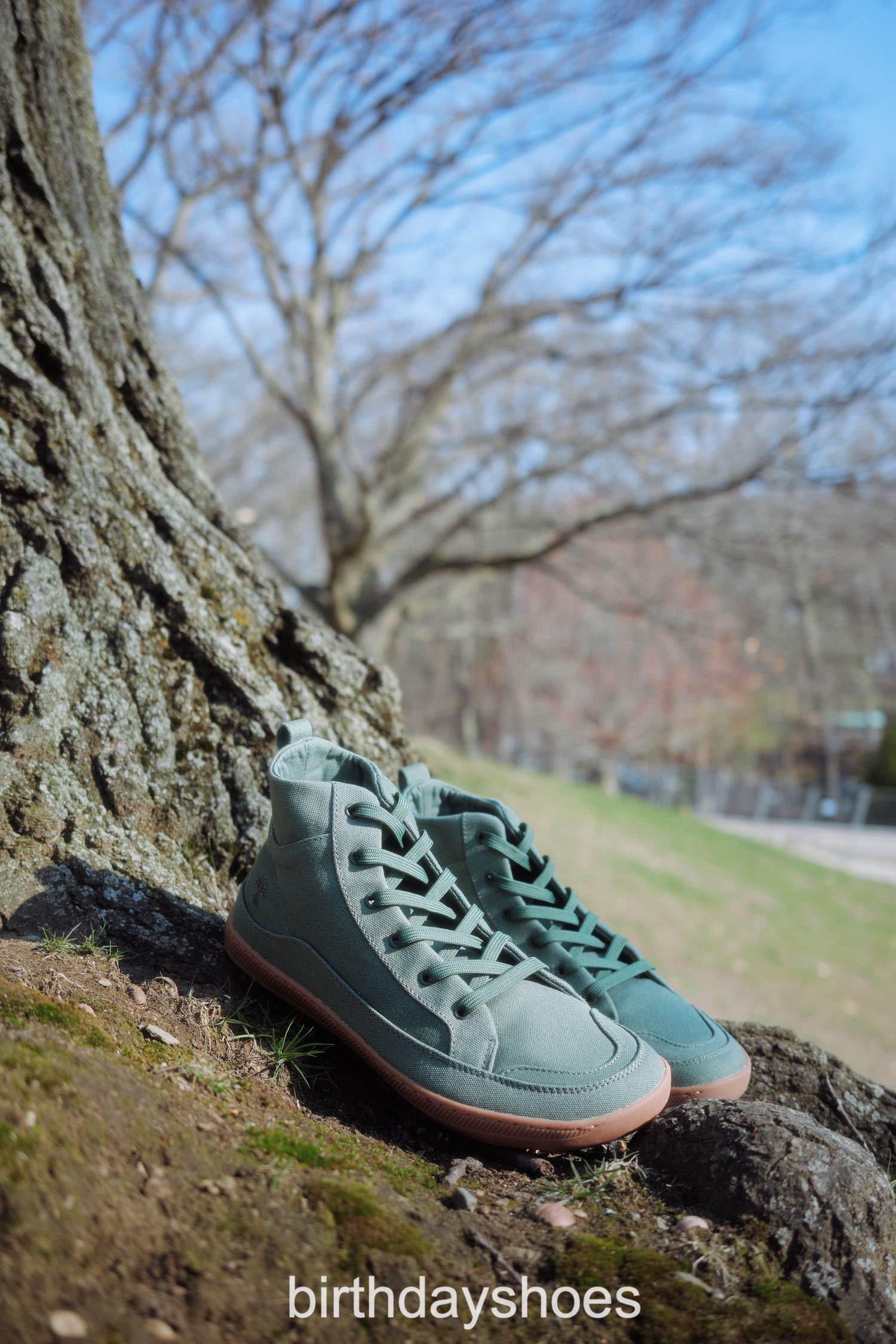
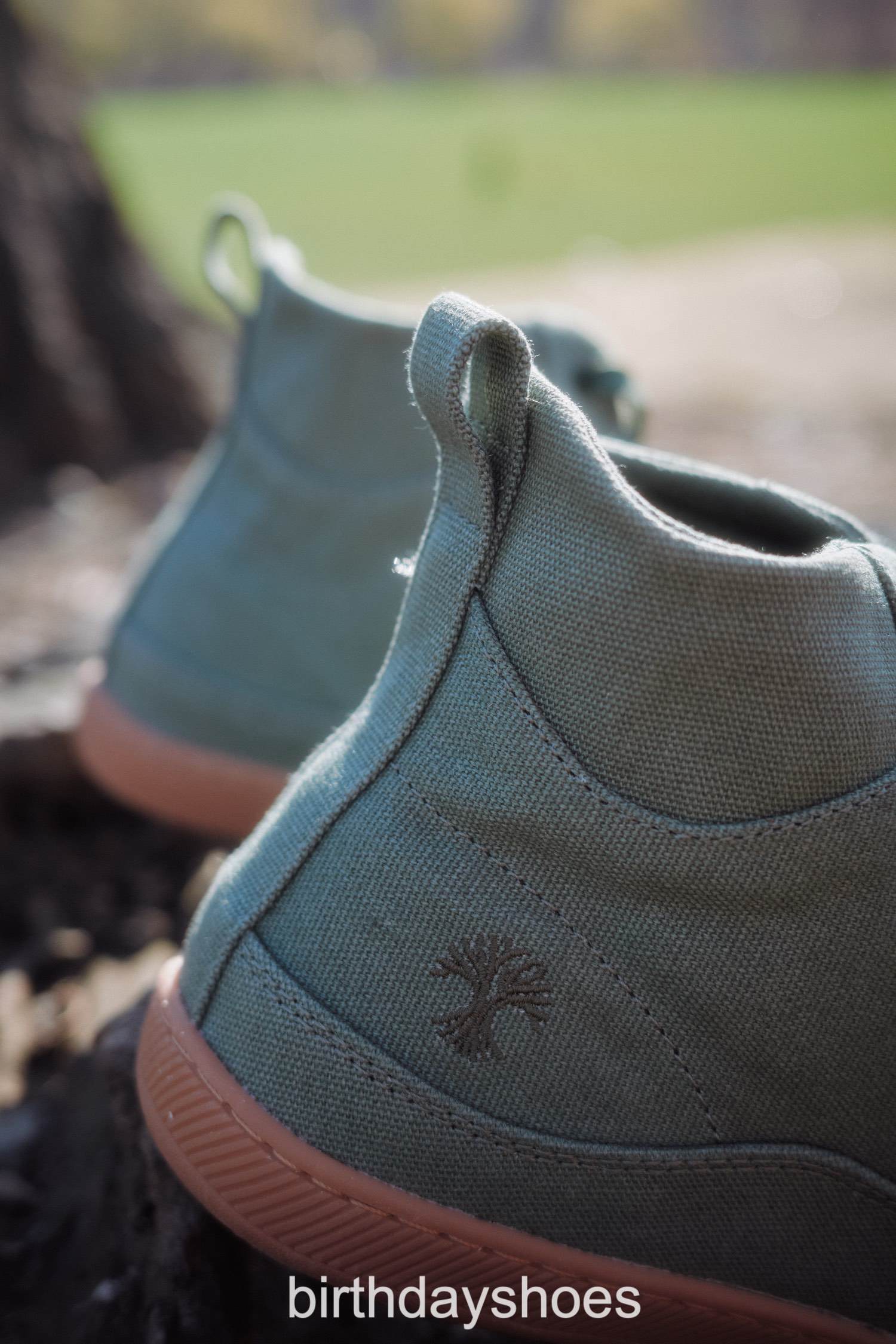
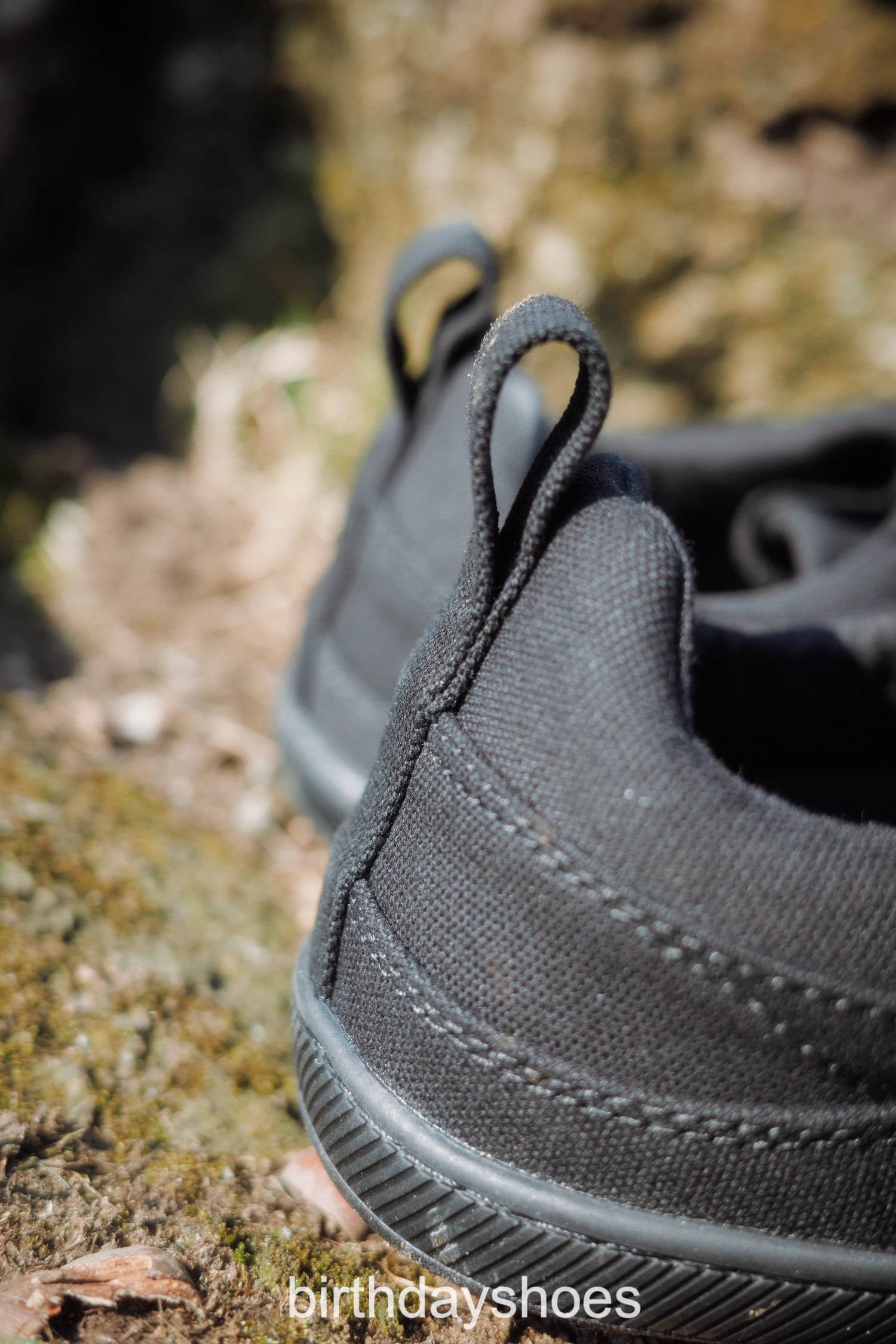
The Rutsu Original pulls off this "stealth" look perfectly, mimicking a classic streetwear silhouette. They just look like traditional stylish shoes.
Another thing I love is that the branding is almost non-existent. It’s just a clean, well-proportioned shoe that lets you enjoy the barefoot life without screaming logos, names, etc. The Low-Top does not even feature a logo! While the High-Top has a very subtle logo on its outer heel (see above photo).
The Rutsu Sole
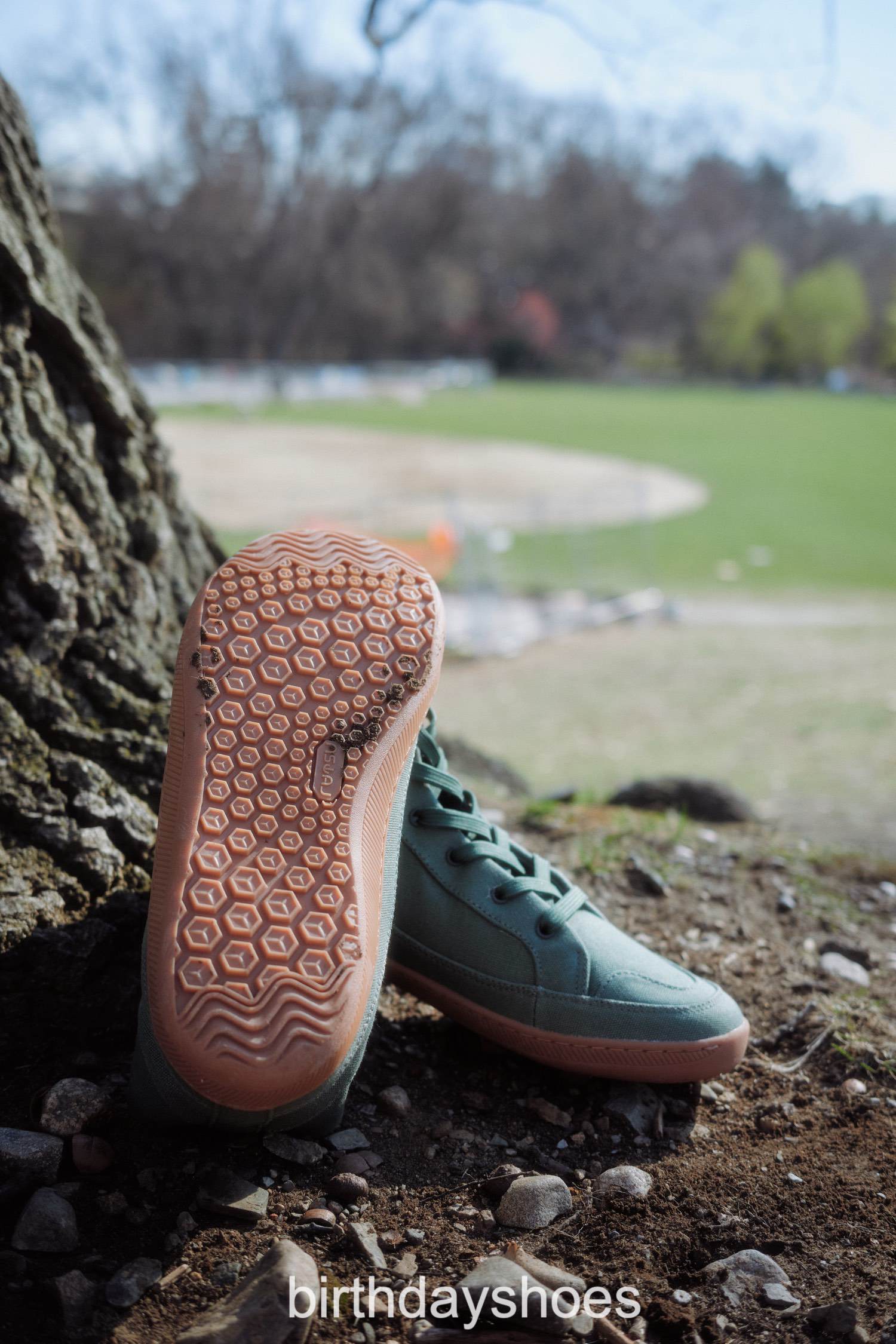
The sole of the Rutsu sneaker is surprisingly capable for a budget-friendly simple shoe. It has a high-density, vulcanized rubber that is designed to be as thin as possible without sacrificing the integrity of the shoe.
At the time of writing, I could not find manufacturing information or sourcing for the sole, but it feels like dense rubber sole that is in line with its traditional shoe contemporaries. By feel, it is denser than the Injection Blown Rubber (IBR) of many Lems lifestyle shoes as well as Feelgrounds updated lifestyle sole. It feels closer in density to the full rubber soles from Lems' more adventure-ready boots.
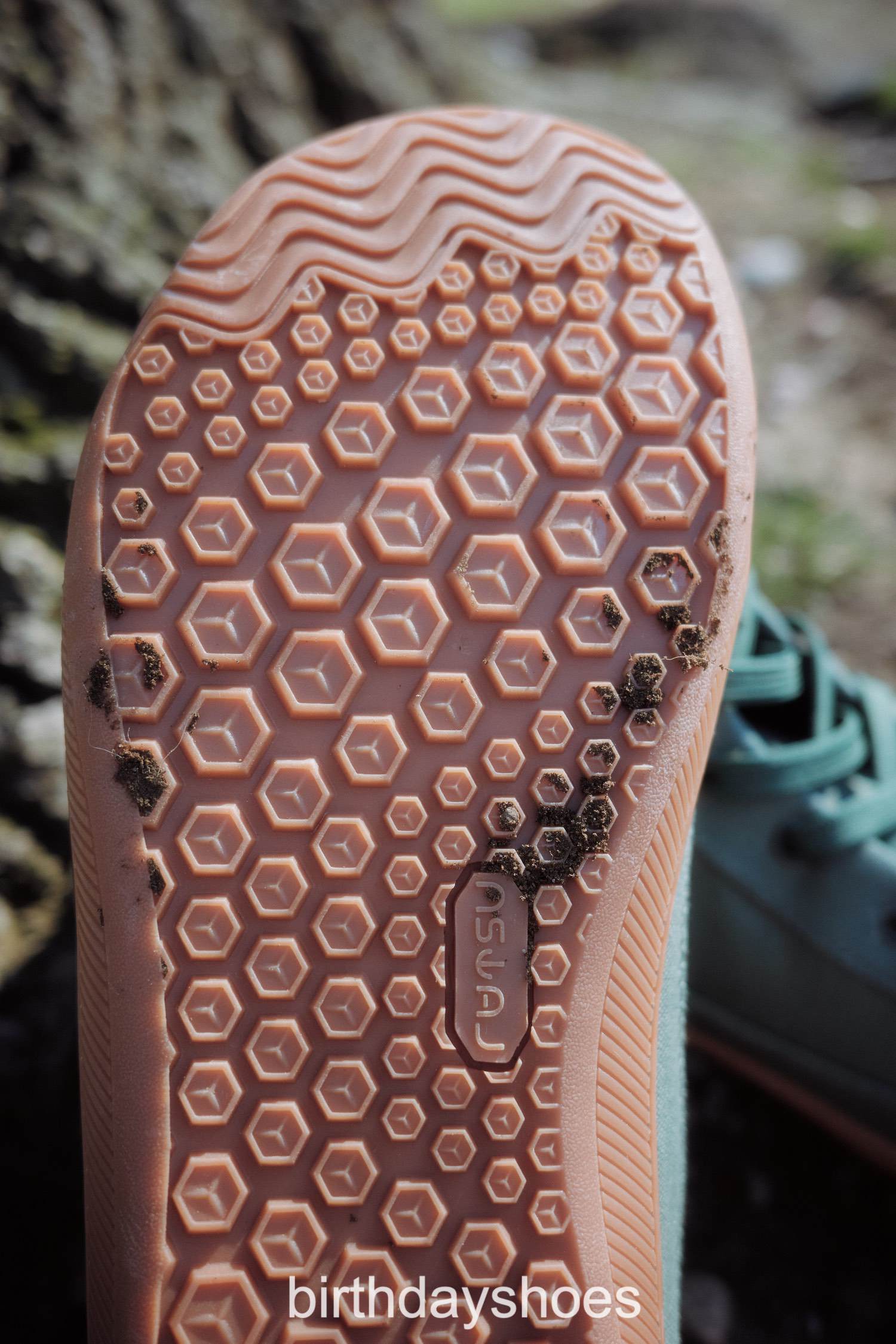
Rutsu Ground Feel and Flexibility
The stack height is minimal (roughly 5 or 6mm) which places your foot relatively close to the ground. In terms of barefoot shoes, you can feel the curves of the ground, small twigs, and have a good amount of dexterity for climbing trees, but still have some protection.
Despite the heavy-duty canvas uppers, the sole itself is quite flexible. I can roll the shoe up into a ball pretty easily.
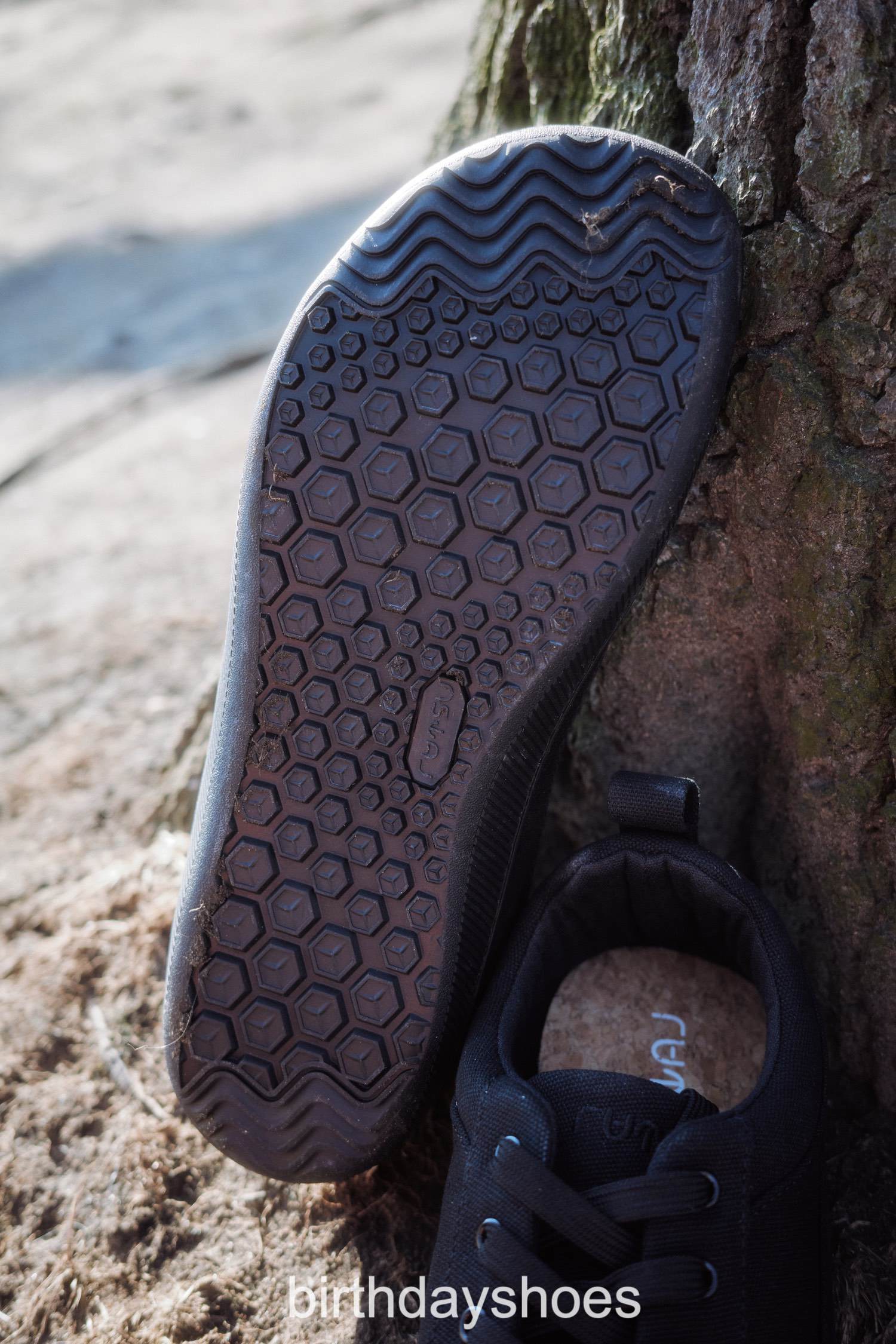
Rutsu Traction and Durability
The tread is relatively shallow and designed for roads and light trails, with a fine cross-hatched texture and hexagonal lugs that provide reliable grip on asphalt, concrete, and smooth indoor surfaces. They also perform surprisingly well on trees and rocks.
I especially appreciate the spacing between the lugs. Unlike many minimalist shoes with tightly packed patterns that trap debris, these shed dirt much more easily (and anyone who’s stepped in something unfortunate knows how important that is).
On wet surfaces, the rubber compound performs well. In testing on damp sidewalks and smooth rocks, it offered enough grip to prevent slipping without feeling overly soft or sticky.
The denser rubber compound holds up well against abrasion, resisting wear better than the “blown” rubber found in some athletic barefoot shoes. It maintains its shape over time without packing down, though it doesn’t offer the soft, bouncy feel of foam-based soles.
True to the barefoot philosophy, the sole is completely flat (zero-drop), with no elevation at the heel. This naturally encourages a midfoot or forefoot strike rather than a heavy heel strike, promoting more efficient and intentional movement.
The ride is firm and highly communicative. What I mean is that you feel the ground beneath you in a way that traditional cushioned shoes tend to mute. For those new to barefoot footwear, this can feel a bit harsh at first, especially without EVA foam to absorb impact. But over time, as your feet adapt and strengthen, that firmness translates into greater stability, proprioception, and control.
Experienced minimalist wearers will likely feel right at home. Personally, I tend to remove the insoles right away for the most direct ground feel possible, but it’s nice that they’re included for those who prefer a bit of added comfort or a gentler transition.
Pricing
At $74.95 for the Low-Top and $79.95 for the High-Top, Rutsu is swinging for the fences in terms of value.
These days "minimalist" often carries a premium price tag for less material, shoes landing north of $100. That makes the Rutsu price point feel like a steal. When you factor in the heavy-duty canvas uppers and that solid, vulcanized rubber sole, you’re getting a significant amount of shoe for your money. Meanwhile, the Rutsus are well-built daily walkers that underprice much of the competition while offering a more rugged build quality.
Compared to other shoes I have reviewed from Lems, Xero Shoes, Feelground, and other similar lifestyle shoes, Retsu's use of high quality canvas and sole materials, along with classic looks. really makes for a persuasive argument
Wishlist
I’d love to see a "Weatherproof" version in any of these shoes. My preference would be a waxed canvas version (as opposed to a membrane-based waterproofing). That way you'd get classic canvas aesthetics with waterproofing. Considering the heavy duty canvas that they use in their uppers, melting wax into the shoe would preserve the look of the canvas while adding more versatility.
Summary on the Rutsu
The Rutsu Barefoot Sneakers are a win for anyone who wants minimalist health benefits without the "minimalist" aesthetic. They are very durable with excellent materials, very affordable, stylish, and offer a true barefoot experience that is hard to beat at this price point.
If you get them, let me know what you think.
![Lems Switchback Knit Sandal Review [vs. original Lems Switchback]](https://storage.ghost.io/c/12/2f/122f3dbd-f54d-4253-bfb3-2c86417058eb/content/images/2026/10/LEMS-SWITCHBACK.png)